A dignified income, a different future.
Sustainable livelihoods are the most reliable route out of poverty — and the most reliable way to keep children in school and women healthy. Our Building Skills, Creating Livelihoods campaign turns potential into income.
Skills create confidence. Livelihoods create dignity.
Millions of young people and women from economically disadvantaged communities possess the potential to succeed but lack access to quality skill development and stable employment. The consequences — unemployment, poverty, distress migration and untapped potential — repeat across generations.
Our livelihood programme bridges the gap between education and employment. We train women, youth and vulnerable adults in market-relevant skills, support them to start micro-enterprises, connect them to jobs and stay with them through the first months on the job.
We measure success not by graduates trained, but by families whose monthly income has materially changed for the better — and by children who no longer have to drop out of school to help their parents make ends meet.
Key activities
- Skill-development workshops across vocational and digital tracks
- Self-help group formation and seed funding
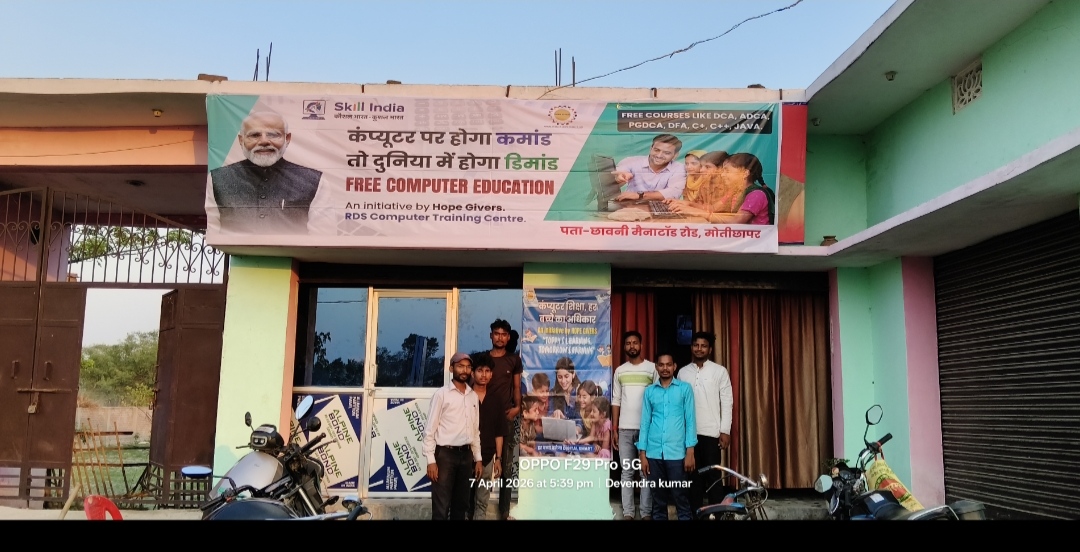
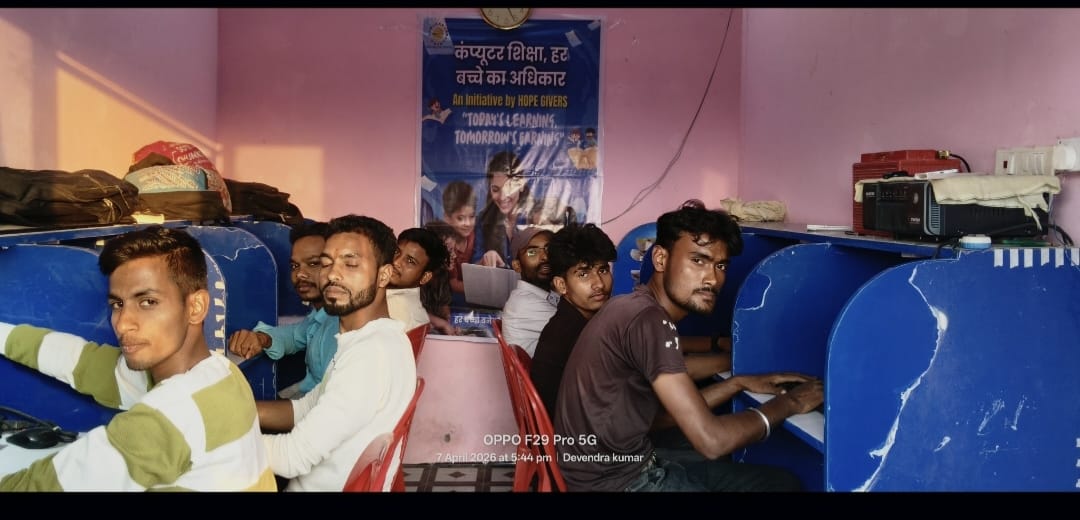
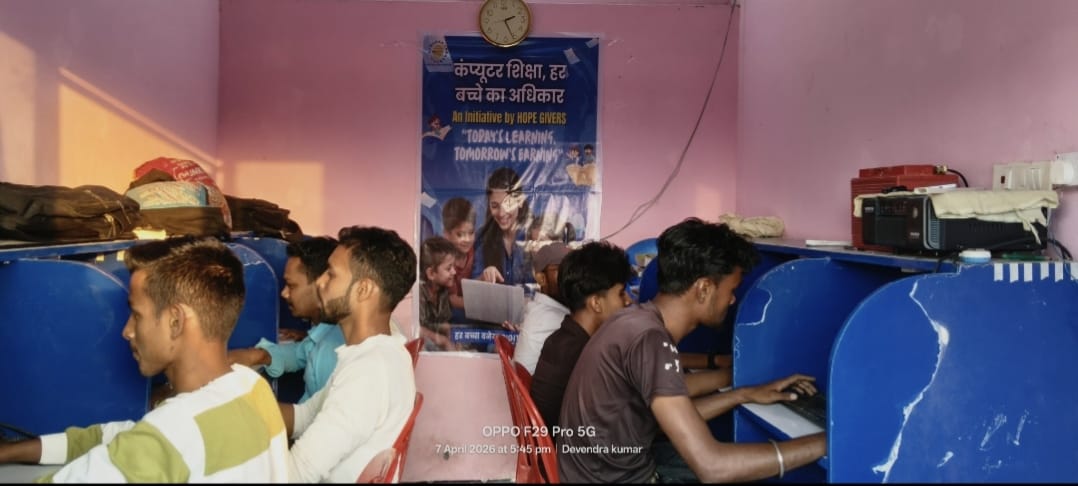
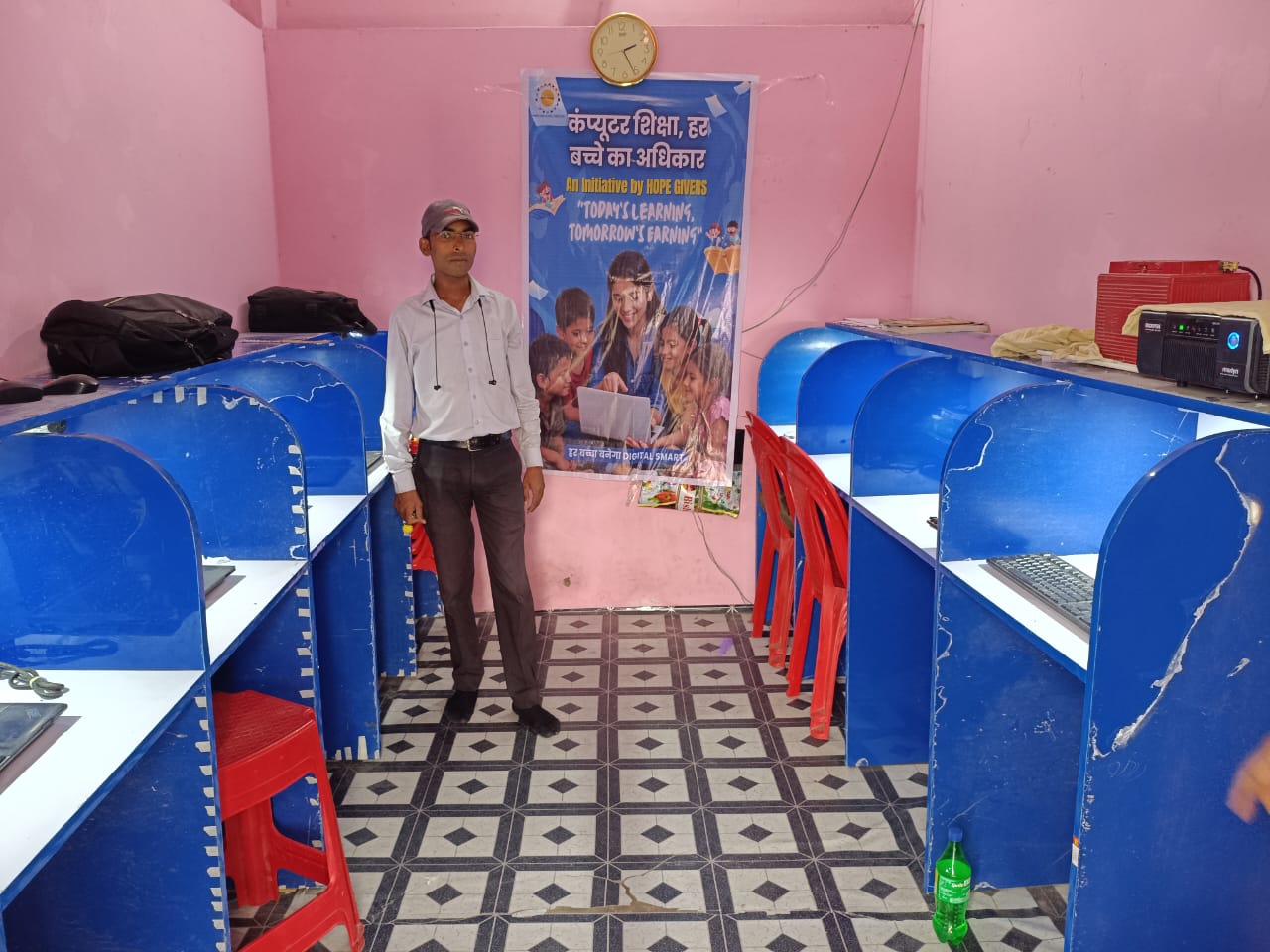
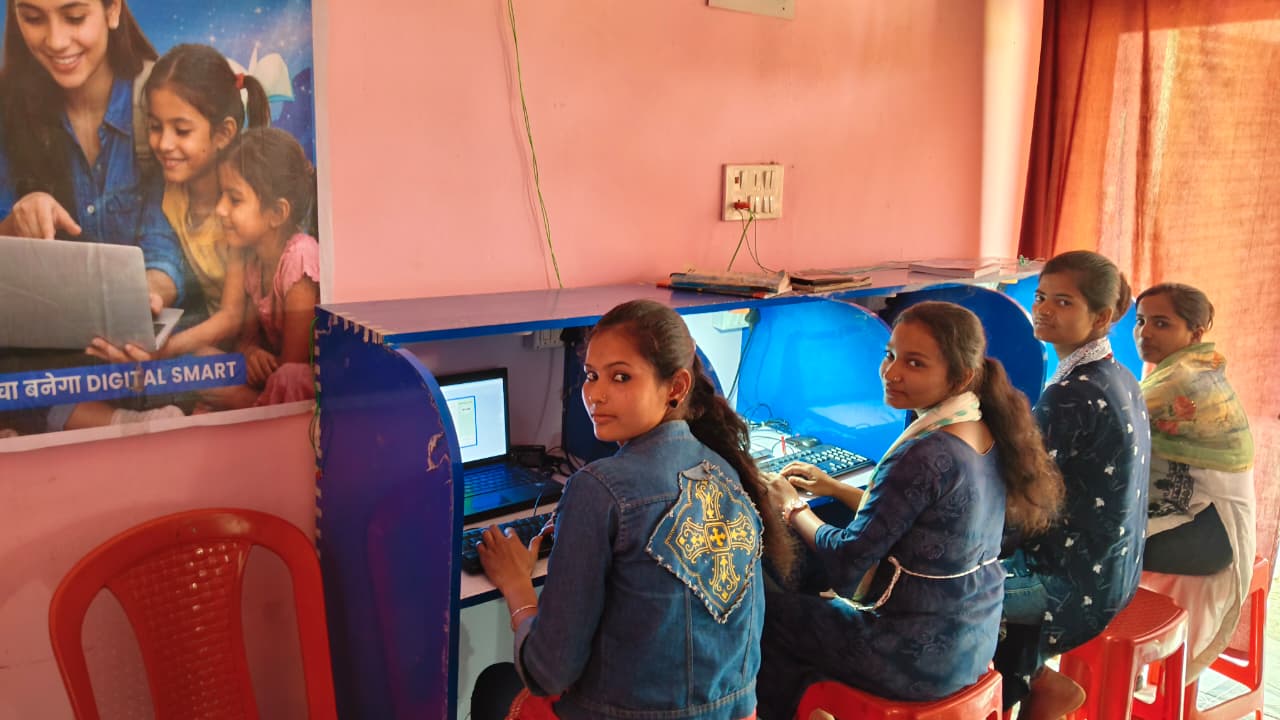
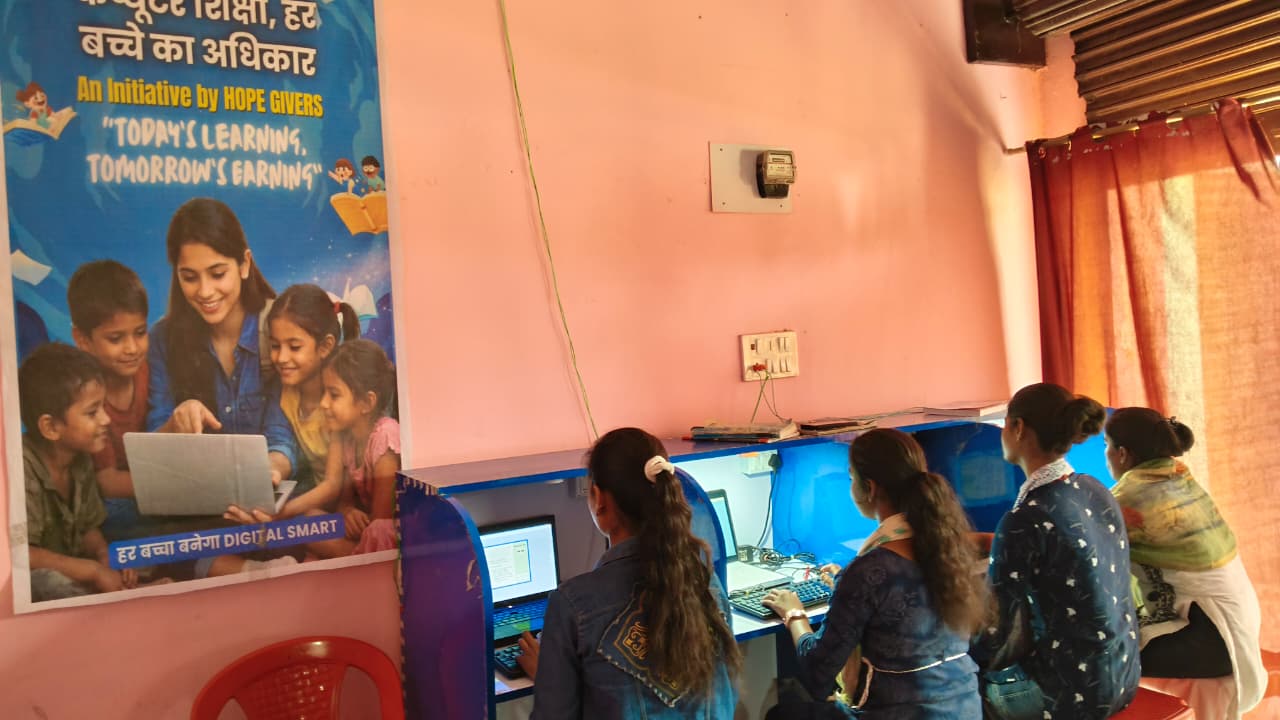
- Free computer education and digital literacy centres
- Market linkages with local enterprises and e-commerce
- Financial literacy, banking and government-scheme access
- Interview preparation and job-placement support
- Entrepreneurship kits for women starting micro-enterprises
- Ongoing mentoring for six months post-training
What guides our work
Work with communities to identify youth and women who lack access to employment and want to build a livelihood.
Practical, hands-on training from qualified trainers across vocational, digital and entrepreneurship tracks.
Career guidance, counselling, financial literacy and ongoing support through the first crucial months.
Placement partnerships with local businesses, market linkages for micro-enterprises and access to government schemes.
Where we go deep
Digital & computer skills
Basic computer literacy, data entry and office applications, digital marketing, graphic design and online freelancing — the skills that turn a first-generation learner into an employable young professional.
Vocational training
Tailoring and garment making, beauty and wellness, food production, electrical and plumbing, mobile repair and technical trades — courses chosen with local labour-market demand in mind, not what looks good on paper.
Entrepreneurship development
Business planning, financial literacy, marketing, sales and small-business management for women and youth ready to run their own micro-enterprise. We also help set up self-help groups and provide seed funding where appropriate.
Soft skills & employability
Communication, interview preparation, personality development and workplace ethics — the difference-maker between a trained candidate and a hired one.
Placement & market linkage
Direct placement partnerships with local enterprises for wage-employment tracks; market linkages, bulk orders and e-commerce onboarding for enterprise tracks. Bank accounts, credit and government-scheme linkages come with every graduation.
Post-placement mentoring
Continuous mentoring for the first six months after training so a new job or new enterprise actually survives — because the drop-off rate without follow-up is what makes most skill-training programmes fail.
Who we serve
The programme is designed for underprivileged youth, school and college dropouts, women seeking financial independence, unemployed and underemployed adults and rural and urban marginalised communities. First-generation learners and single-income households are prioritised.
How you can support
Sponsor a vocational training batch, provide training equipment and learning materials, or fund an entrepreneurship kit for a woman starting her own enterprise. Corporates can partner through CSR-funded skill centres, employee mentorship and hiring pipelines. Skilled professionals can volunteer as mentors or trainers.
Last 12 months
Moments from this programme
"I learnt tailoring here. Today I run my own shop and my children study in English-medium school."
Be the difference. Join hands for a better tomorrow.
Every gesture creates ripples that echo far beyond the present moment.